Introduction
The world is at a critical juncture in its efforts to combat climate change. One of the most promising strategies for reducing greenhouse gas emissions is the development of next-generation carbon capture and utilization technologies. Artificial intelligence (AI) is playing an increasingly important role in this field, enabling the creation of new materials and processes that can efficiently capture and convert CO2 into valuable products.
| Technology | Description | Benefits |
|---|---|---|
| AI-based carbon capture | Uses machine learning algorithms to optimize carbon capture processes | Improved efficiency, reduced costs |
| Next-generation materials | Developed using AI-driven design and simulation tools | Enhanced performance, increased durability |

AI-based carbon capture system diagram
AI-Based Carbon Capture and Utilization
A key application of AI in carbon capture and utilization is the development of new materials and processes that can efficiently capture and convert CO2 into valuable products. This includes the use of machine learning algorithms to optimize carbon capture processes, as well as the development of new materials with enhanced CO2 absorption properties.
- AI-driven design and simulation tools can be used to develop new materials with optimized structures and properties
- Machine learning algorithms can be used to analyze large datasets and identify patterns and trends in carbon capture and utilization processes
- AI-based systems can be used to monitor and control carbon capture and utilization processes in real-time

Next-generation materials for carbon capture and utilization
Strategies for a Circular Carbon Economy
A circular carbon economy is one in which carbon is continually cycled back into the economy, rather than being released into the atmosphere. This can be achieved through the development of new technologies and business models that enable the efficient capture, conversion, and reuse of CO2.
| Strategy | Description | Benefits |
|---|---|---|
| Carbon capture and utilization | Captures CO2 from power plants and industrial processes, converting it into valuable products | Reduced greenhouse gas emissions, creation of new industries and jobs |
| Carbon storage | Stores CO2 in geological formations or other secure locations | Prevents release of CO2 into atmosphere, enhances energy security |
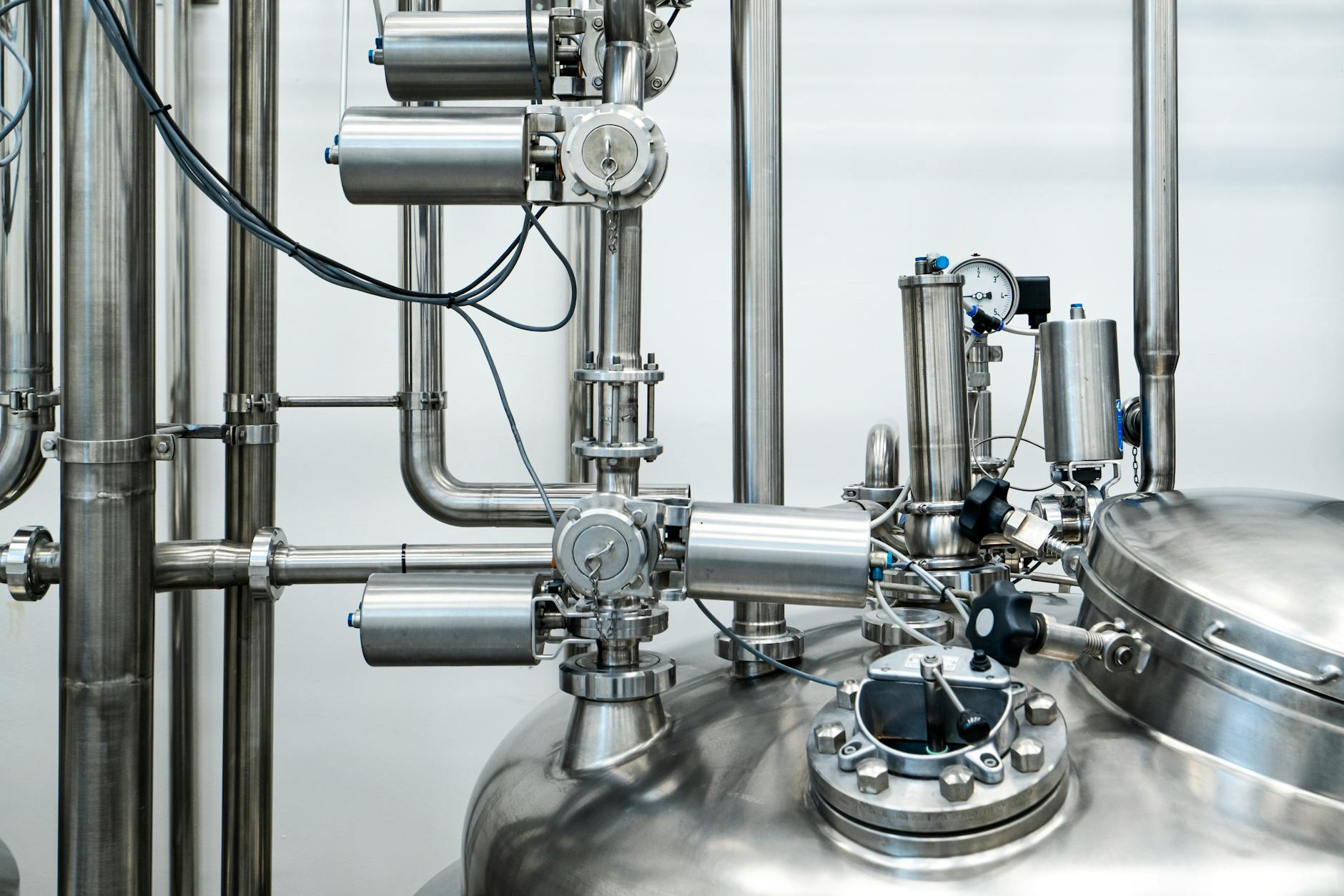
Carbon capture and utilization system diagram
Conclusion
The development of AI-based next-generation carbon capture and utilization technologies is a critical step towards reducing greenhouse gas emissions and mitigating the impacts of climate change. By leveraging the power of AI, we can create new materials and processes that can efficiently capture and convert CO2 into valuable products, enabling a circular carbon economy and a more sustainable future.
Future of carbon capture and utilization graphic

Climate change mitigation strategies diagram

AI-based carbon capture and utilization system
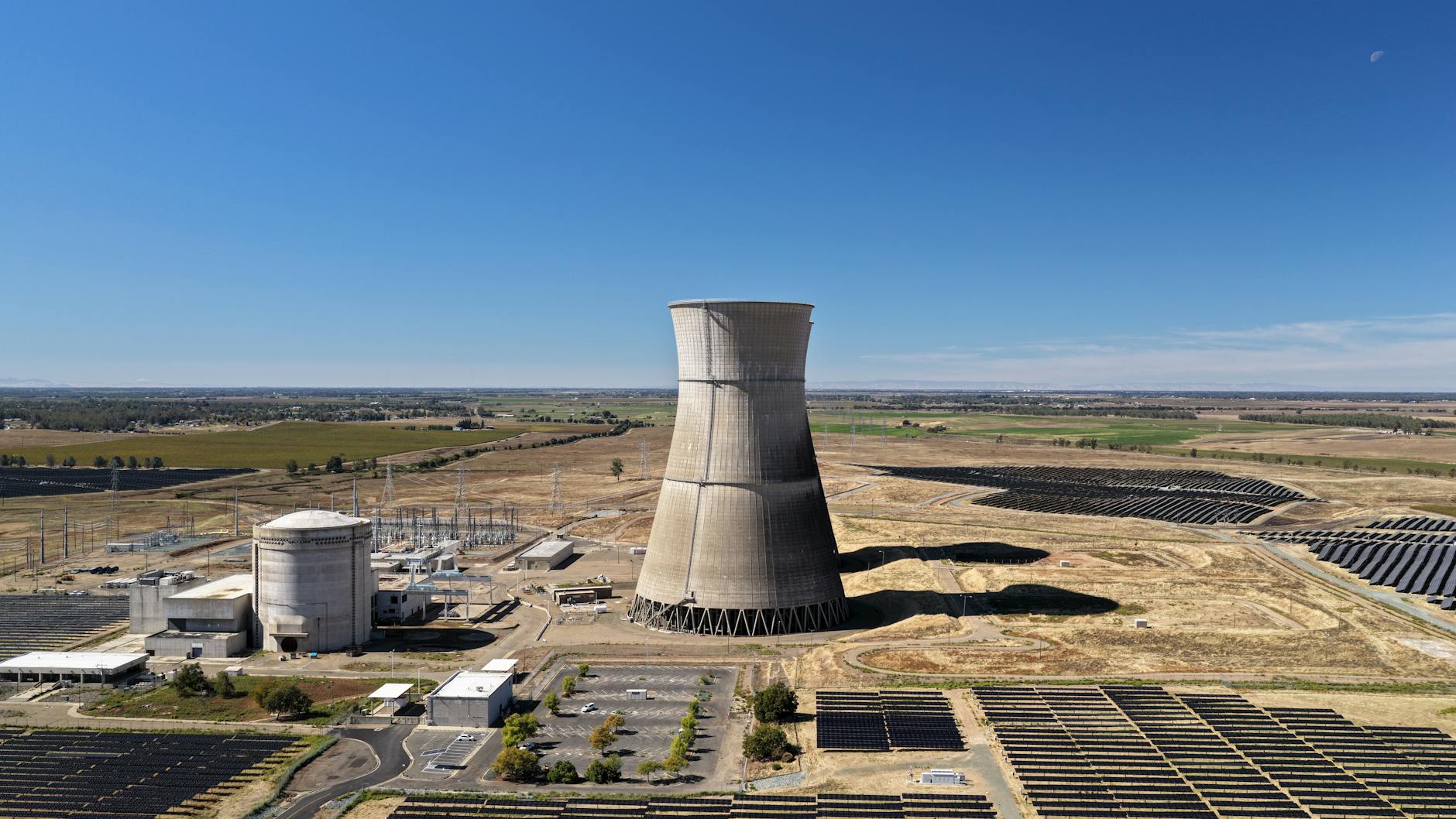
Carbon capture and utilization industry landscape

Next-generation materials for carbon capture and utilization

Circular carbon economy model